
Why Music Taste is Changing Globally
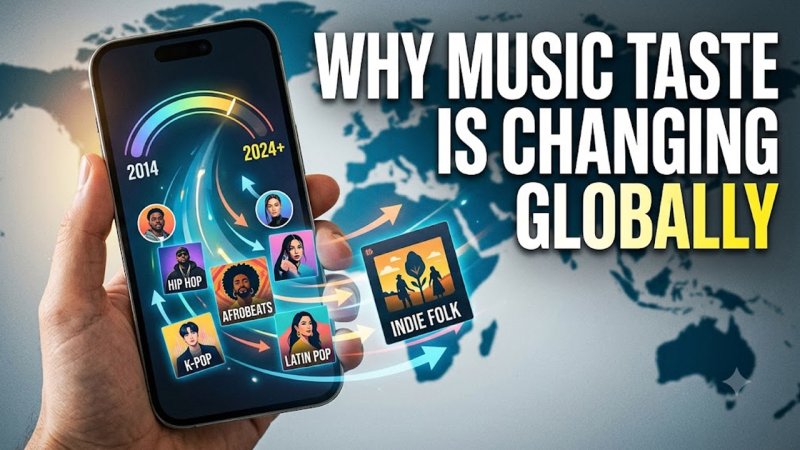
Music preferences around the world are changing faster than ever before. From streaming platforms and social media trends to global artist collaborations and AI-powered recommendations, discover why people are listening to different kinds of music than previous generations.
Introduction
Music has always reflected the culture, technology, and lifestyle of its time. However, in recent years, music tastes have been changing at an unprecedented pace across the globe. Songs that once remained popular only within a specific country or region can now become worldwide hits within days. A teenager in New York can listen to music from South Korea, while a listener in London may enjoy Latin music from South America or Afrobeats from Africa.
This shift is transforming the global music landscape and creating new opportunities for artists and listeners alike. But what exactly is causing music tastes to change so rapidly? The answer lies in technology, globalization, social media, streaming services, and evolving cultural influences.
The Impact of Music Streaming Services
One of the biggest reasons music tastes are changing globally is the rise of streaming platforms. Services like Spotify, Apple Music, YouTube Music, and others provide instant access to millions of songs from around the world.
In the past, listeners were largely limited to music available through local radio stations, television programs, or physical albums. Today, a listener can discover artists from almost any country with a simple search. Streaming platforms use sophisticated recommendation systems that introduce users to new genres, artists, and songs based on their listening habits.
As a result, people are constantly exposed to music outside their traditional preferences, leading to more diverse listening experiences.
Social Media Has Changed Music Discovery
Social media platforms have become powerful tools for music discovery. A song can go viral overnight through short-form video content, user-generated trends, or influencer recommendations.
Platforms such as TikTok, Instagram Reels, YouTube Shorts, and Facebook have significantly influenced which songs become popular. Often, listeners discover music through videos rather than traditional radio or music television.
This has accelerated the spread of global music trends and helped lesser-known artists reach international audiences. A catchy song clip can generate millions of views and streams within days, regardless of where the artist is located.
Globalization Has Removed Musical Borders
Technology has connected people more closely than ever before. As cultures interact online, music naturally becomes more global.
Today, listeners are embracing songs from different languages and cultures. Genres such as K-Pop, Latin Pop, Afrobeats, EDM, and international Hip-Hop have gained worldwide popularity because audiences are more open to exploring new sounds.
Many listeners no longer focus solely on lyrics they understand. Instead, they appreciate rhythm, production quality, emotion, and artistic creativity. This cultural openness has expanded musical preferences across all age groups.
Younger Generations Have Different Listening Habits
Gen Z and younger Millennials consume music differently than previous generations. They often prefer playlists over albums and frequently switch between genres depending on mood, activity, or social trends.
Unlike earlier generations that were loyal to specific artists or genres, modern listeners enjoy a wider variety of music. One person may listen to Pop during a workout, Lo-fi while studying, Country music during travel, and Electronic Dance Music at social events.
This flexibility has contributed significantly to changing music tastes around the world.
The Rise of Independent Artists
Another major factor is the growth of independent music creators. In previous decades, major record labels controlled much of the music industry.
Today, artists can produce, distribute, and promote their music independently through digital platforms. This has increased the diversity of music available to listeners and introduced audiences to unique styles that may not fit traditional industry standards.
Independent musicians are often more experimental and innovative, which encourages listeners to explore new genres and sounds.
Artificial Intelligence and Personalized Recommendations
Artificial intelligence is becoming increasingly important in music discovery. Modern recommendation systems analyze listening patterns and suggest songs that match a user's interests.
These AI-driven recommendations help listeners find artists they might never have discovered on their own. Over time, this broadens musical preferences and encourages exploration of different genres.
As AI technology continues to improve, music discovery is expected to become even more personalized and effective.
The Influence of Global Collaborations
International collaborations between artists have become increasingly common. Musicians from different countries now work together to create songs that appeal to global audiences.
These collaborations blend multiple styles, languages, and cultural influences into a single track. Such projects expose fans to new genres and help break down musical barriers.
The success of global collaborations demonstrates that music is becoming a truly international language.
Online Radio and Music Communities
Online radio stations continue to play an important role in introducing listeners to new music. Unlike algorithm-based playlists, radio presenters often provide personal recommendations and curated experiences.
Music communities, forums, fan groups, and social platforms also encourage people to share discoveries and discuss emerging artists. This creates a constant flow of new music recommendations and influences listening behavior worldwide.
What the Future Holds
The future of music taste will likely become even more diverse. Advances in artificial intelligence, virtual reality concerts, immersive audio experiences, and global connectivity will continue expanding access to music from every corner of the world.
Listeners will have more opportunities than ever to discover artists, genres, and cultural influences beyond their local environments. The concept of music being limited by geography is rapidly disappearing.
Conclusion
Music tastes are changing globally because technology, streaming services, social media, globalization, and cultural openness have transformed how people discover and consume music. Today's listeners have access to an unprecedented variety of songs and artists, allowing them to explore beyond traditional boundaries.
As the music industry continues to evolve, diversity and global collaboration will become even more important. Platforms like Gandas Music support this evolution by helping users discover song lyrics, explore artists, and connect with music from around the world.
The future of music is global, connected, and endlessly exciting—and listeners have never had more opportunities to discover their next favorite song.
Tags:
Related Posts
Live Music Radio Stations Around the World: Discover Music Without Borders
Explore the exciting world of live music radio stations from every corner of the globe. Learn how online radio helps music lovers discover new artists, cultures, and genres while enjoying live broadcasts anytime, anywhere.
Best Chill Music Radio Stations Online: Relax, Unwind, and Discover Great Music Anywhere
Looking for the best chill music radio stations online? Discover why relaxing internet radio has become a favorite choice for studying, working, traveling, and unwinding. Learn how to find the perfect station for every mood.
How DJs Select Songs on Radio: The Complete Guide to Music Programming and Audience Engagement
Ever wondered how radio DJs choose the songs you hear every day? Discover the strategy, technology, audience research, and music programming behind radio playlists in this complete guide.