
The Future of Music: How Technology, AI, and Global Connectivity Will Transform the Music Industry
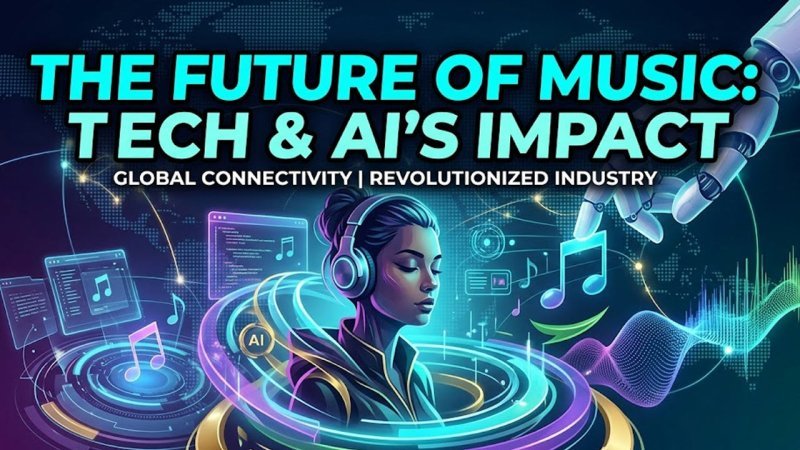
Explore the future of music and discover how artificial intelligence, streaming platforms, global connectivity, virtual concerts, and emerging technologies are shaping the next generation of music creation and discovery.
The Future of Music: How Technology, AI, and Global Connectivity Will Transform the Music Industry
Music has always evolved alongside technology. From vinyl records and cassette tapes to CDs, digital downloads, and streaming services, every generation has experienced a different way of creating and enjoying music. Today, we are entering one of the most exciting periods in music history. Artificial intelligence, advanced streaming platforms, virtual experiences, and global connectivity are changing the industry faster than ever before. The future of music promises new opportunities for artists, listeners, and music platforms around the world.
One of the biggest influences on the future of music is artificial intelligence. AI-powered tools are already helping musicians write lyrics, create melodies, improve sound quality, and speed up music production. Independent artists who once needed expensive studios can now produce professional-quality music using software available on personal computers. In the coming years, AI is expected to become an important creative partner, helping artists experiment with new sounds and musical styles while still allowing human creativity to remain at the center of the process.
Streaming services will continue to dominate how people consume music. Modern listeners expect instant access to millions of songs from any device. Future streaming platforms may become even more personalized, using advanced algorithms to recommend songs based on mood, activity, location, and listening habits. Music discovery will become smarter and more tailored to individual preferences, helping users find artists and genres they may never have encountered before.
Another major trend is the globalization of music. In the past, artists often focused on local or national audiences. Today, a song can become popular worldwide within days of its release. Social media platforms, video-sharing websites, and music communities allow artists to connect directly with fans across different countries and cultures. The future will likely see even greater collaboration between international artists, leading to unique musical styles that blend influences from multiple regions of the world.
Virtual concerts and digital events are also expected to play a significant role in the future music industry. Advances in virtual reality and augmented reality technologies may allow fans to attend immersive live performances from their homes. Instead of simply watching a video stream, listeners could experience interactive digital concerts that feel much closer to being physically present. These innovations may create entirely new forms of entertainment and fan engagement.
Online radio is another area that will continue evolving. While streaming playlists are popular, many listeners still enjoy discovering music through radio hosts, DJs, and curated programming. Future online radio platforms may combine traditional broadcasting with interactive features, allowing users to influence playlists, interact with presenters, and participate in live music communities.
Song lyrics will remain an important part of the music experience. As music becomes increasingly global, lyrics help listeners understand songs in different languages and connect with artists from diverse cultures. Music platforms such as Gandas Music are helping make lyrics more accessible, allowing fans to explore the meaning behind the songs they love.
Independent musicians are likely to benefit greatly from future technological advancements. Digital distribution platforms have already reduced barriers to entry, enabling artists to release music without major record labels. As technology improves, artists will have more tools to create, promote, and monetize their work while maintaining greater control over their careers.
The future may also bring new ways for fans to support artists directly. Subscription communities, exclusive content memberships, digital collectibles, and fan-powered platforms could create stronger relationships between creators and audiences. These innovations may provide sustainable income opportunities for musicians while offering fans unique experiences and closer connections with their favorite artists.
Despite all these technological changes, one thing will remain constant: the emotional power of music. People will continue to use music to celebrate, express emotions, tell stories, and connect with others. Technology may change how music is created and distributed, but the human desire for meaningful musical experiences will never disappear.
Conclusion
The future of music is exciting, innovative, and increasingly global. Artificial intelligence, advanced streaming services, virtual experiences, online radio, and worldwide collaboration will continue shaping how music is created and enjoyed. As the industry evolves, platforms like Gandas Music will help listeners discover lyrics, artists, and music from every corner of the world. The next decade promises remarkable opportunities for both creators and fans, making the future of music brighter than ever before.
Tags:
Related Posts
Live Music Radio Stations Around the World: Discover Music Without Borders
Explore the exciting world of live music radio stations from every corner of the globe. Learn how online radio helps music lovers discover new artists, cultures, and genres while enjoying live broadcasts anytime, anywhere.
Best Chill Music Radio Stations Online: Relax, Unwind, and Discover Great Music Anywhere
Looking for the best chill music radio stations online? Discover why relaxing internet radio has become a favorite choice for studying, working, traveling, and unwinding. Learn how to find the perfect station for every mood.
How DJs Select Songs on Radio: The Complete Guide to Music Programming and Audience Engagement
Ever wondered how radio DJs choose the songs you hear every day? Discover the strategy, technology, audience research, and music programming behind radio playlists in this complete guide.