
Rise of Independent Music Artists Worldwide: How Independent Musicians Are Changing the Global Music Industry
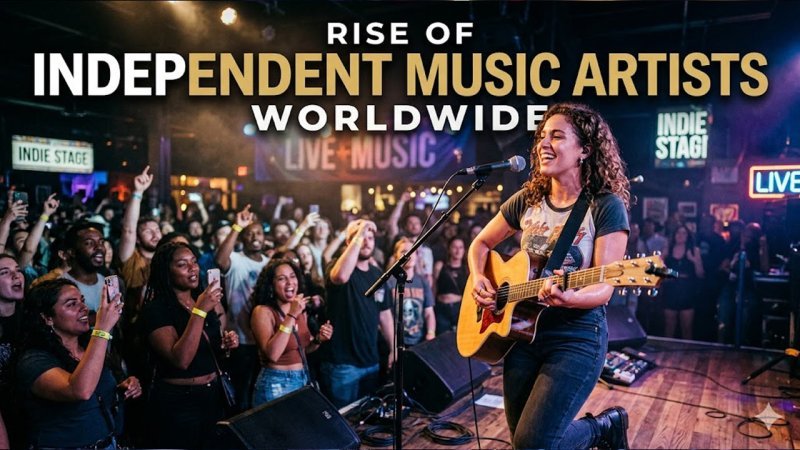
Independent music artists are transforming the global music industry by using digital platforms, streaming services, and social media to reach worldwide audiences without traditional record labels.
Rise of Independent Music Artists Worldwide: How Independent Musicians Are Changing the Global Music Industry
The global music industry has undergone one of the most significant transformations in its history. In the past, becoming a successful musician required signing a contract with a major record label, accessing expensive recording studios, and relying heavily on industry connections. Today, however, the landscape has completely changed. Independent music artists—often called “indie artists”—are rising worldwide and reshaping how music is created, distributed, and consumed.
This revolution is driven by technology, social media, and streaming platforms that have made it possible for anyone with talent and creativity to reach a global audience. Independent artists no longer need traditional gatekeepers to succeed. Instead, they can build their own careers step by step, directly connecting with fans across the world.
The Digital Revolution in Music
One of the biggest reasons for the rise of independent artists is the digital revolution. Platforms like Spotify, Apple Music, YouTube, SoundCloud, and Amazon Music have changed how music is distributed. In the past, physical distribution through CDs or radio play was essential. Now, artists can upload their songs online and instantly make them available to millions of listeners worldwide.
This shift has reduced barriers to entry and opened the door for countless new musicians. Even artists from small towns or remote areas can now compete on a global stage if their music resonates with audiences.
Social Media: The New Stage for Artists
Social media platforms such as Instagram, TikTok, Facebook, and X (Twitter) have become powerful tools for music promotion. Many independent artists have gained massive popularity through viral videos and short music clips. A single trending sound on TikTok can turn an unknown artist into an international sensation overnight.
Unlike traditional marketing methods, social media allows artists to build personal connections with fans. They can share behind-the-scenes content, interact directly with listeners, and create a strong personal brand. This level of engagement helps independent musicians build loyal communities around their music.
Streaming Platforms Empowering Independent Music
Streaming services have played a major role in the growth of independent music. Platforms like Spotify and YouTube provide analytics tools that allow artists to understand their audience, track performance, and improve their strategies. This data-driven approach helps musicians grow faster and make informed decisions about their careers.
Additionally, curated playlists and algorithm-based recommendations give independent artists the chance to be discovered by new listeners. A song added to a popular playlist can dramatically increase an artist’s visibility and streaming numbers.
Lower Costs, Higher Opportunities
In the past, recording and producing music required expensive studio time and professional equipment. Today, affordable digital audio workstations (DAWs), home recording setups, and AI-powered tools have made music production more accessible than ever before.
Independent artists can now create high-quality music from their bedrooms and release it directly to streaming platforms. This has dramatically reduced financial barriers and encouraged more creativity and experimentation in the music industry.
Global Reach and Cultural Diversity
One of the most exciting aspects of independent music is its global reach. Artists are no longer limited to their local markets. A singer in India, a rapper in the United States, or a producer in the UK can all reach international audiences instantly.
This global accessibility has also increased cultural diversity in music. Listeners now enjoy a wide variety of genres, languages, and styles from different parts of the world. Independent artists often experiment with fusion genres, blending traditional sounds with modern beats to create unique musical experiences.
Challenges Faced by Independent Artists
Despite the many opportunities, independent artists also face challenges. Competition is extremely high, and millions of songs are released every year. Standing out in such a crowded space requires strong marketing, consistent content creation, and a deep understanding of audience behavior.
Monetization can also be difficult in the early stages. While streaming platforms provide exposure, revenue per stream is often low. Many independent musicians rely on live performances, merchandise sales, crowdfunding, and brand collaborations to support their careers.
The Role of Music Platforms Like Gandas Music
Platforms like Gandas Music play an important role in supporting independent music discovery. By providing access to song lyrics, artist information, and global music content, such platforms help listeners explore new artists and understand their music better.
Lyrics, in particular, help fans connect emotionally with songs and appreciate the creativity behind independent music. As independent artists continue to grow, platforms that organize and present their work in an accessible way become increasingly valuable.
The Future of Independent Music
The future of independent music looks extremely promising. With advancements in AI, music production tools, and digital marketing, independent artists will have even more power to create and promote their work.
We can expect more direct-to-fan platforms, stronger artist-fan relationships, and even more global collaborations. Traditional record labels will continue to exist, but they will no longer control the entire industry as they once did.
Instead, the music world will become more balanced, where independent artists and major labels coexist and compete on equal technological footing.
Conclusion
The rise of independent music artists worldwide represents a major shift in the global music industry. Technology has empowered musicians to take control of their careers, reach international audiences, and express their creativity without limitations.
As this trend continues, independent artists will play an even more important role in shaping the future of music. For listeners, this means more diversity, more innovation, and more opportunities to discover fresh and exciting sounds from around the world.
Independent music is not just a trend—it is the future of the music industry.
Tags:
Related Posts
Live Music Radio Stations Around the World: Discover Music Without Borders
Explore the exciting world of live music radio stations from every corner of the globe. Learn how online radio helps music lovers discover new artists, cultures, and genres while enjoying live broadcasts anytime, anywhere.
Best Chill Music Radio Stations Online: Relax, Unwind, and Discover Great Music Anywhere
Looking for the best chill music radio stations online? Discover why relaxing internet radio has become a favorite choice for studying, working, traveling, and unwinding. Learn how to find the perfect station for every mood.
How DJs Select Songs on Radio: The Complete Guide to Music Programming and Audience Engagement
Ever wondered how radio DJs choose the songs you hear every day? Discover the strategy, technology, audience research, and music programming behind radio playlists in this complete guide.