
How Technology is Transforming Music Creation in the Modern Era
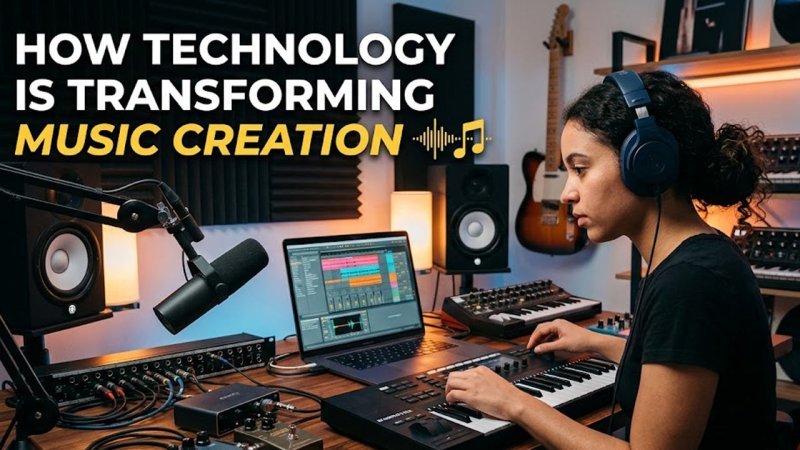
Technology is revolutionizing how music is created, produced, and shared. From AI tools to home studios and digital platforms, discover how modern innovations are transforming music creation worldwide.
How Technology is Transforming Music Creation in the Modern Era
Music creation has changed more in the last two decades than it did in the previous century. In the past, producing music required expensive studio equipment, large recording spaces, and professional engineers. Today, thanks to technology, anyone with a laptop, smartphone, or even a tablet can start creating music from anywhere in the world. This transformation has completely reshaped the music industry and opened doors for millions of new artists.
One of the biggest changes in music creation is the rise of digital audio workstations (DAWs). Software like FL Studio, Ableton Live, Logic Pro, and other production tools allow musicians to record, edit, mix, and master music with incredible precision. These tools have replaced traditional studio setups for many independent artists. With just a computer and headphones, creators can produce songs that sound professional and studio-quality.
Another major revolution is the use of artificial intelligence in music production. AI-powered tools can now help generate melodies, suggest chord progressions, create drum patterns, and even assist in writing lyrics. While AI does not replace human creativity, it acts as a powerful assistant that speeds up the creative process. Many modern artists use AI to experiment with new sounds and explore musical ideas they might not have thought of on their own.
The rise of home studios has also played a huge role in transforming music creation. In the past, artists had to book expensive studio time to record their music. Today, home recording setups are affordable and highly advanced. With microphones, audio interfaces, and basic soundproofing, musicians can create high-quality recordings without leaving their homes. This has allowed independent artists to produce music at their own pace and budget.
Cloud technology and internet connectivity have also changed how musicians collaborate. Artists from different countries can now work together on the same project without ever meeting in person. Files can be shared instantly, and real-time collaboration tools allow producers, singers, and composers to contribute to a track from anywhere in the world. This global collaboration has led to new fusion genres and creative styles that were not possible before.
Music streaming platforms and online distribution services have also impacted music creation. Because artists know their music will be released digitally, they now create songs optimized for streaming audiences. Shorter songs, catchy hooks, and viral-friendly structures have become more common. Platforms like Spotify, Apple Music, and YouTube have influenced not only how music is consumed but also how it is created.
Mobile technology has further democratized music production. Today, mobile apps allow users to create beats, record vocals, and mix tracks directly from smartphones. This means that even people without access to professional equipment can start their music journey. Apps like GarageBand and other mobile DAWs have introduced millions of beginners to music creation.
Social media platforms also play a key role in shaping modern music. Artists now create music with the possibility of viral success in mind. Platforms like TikTok, Instagram, and YouTube Shorts influence how songs are structured and promoted. A single viral clip can turn an unknown artist into a global sensation overnight.
Another important advancement is the availability of online tutorials and learning platforms. In the past, learning music production required formal education or mentorship. Now, anyone can learn through YouTube tutorials, online courses, and community forums. This has made music education accessible to everyone, regardless of location or financial background.
Despite all these technological advancements, human creativity remains at the heart of music creation. Technology provides tools, but emotion, storytelling, and artistic expression still come from the artist. The combination of human imagination and digital innovation is what makes modern music so powerful and diverse.
Conclusion
Technology has completely transformed the way music is created, produced, and shared. From AI-powered tools and digital studios to global collaboration and mobile apps, the music industry is more accessible than ever before. Independent artists now have the power to create professional music without traditional barriers. As technology continues to evolve, the future of music creation will become even more innovative, global, and exciting for both artists and listeners.
Tags:
Related Posts
Live Music Radio Stations Around the World: Discover Music Without Borders
Explore the exciting world of live music radio stations from every corner of the globe. Learn how online radio helps music lovers discover new artists, cultures, and genres while enjoying live broadcasts anytime, anywhere.
Best Chill Music Radio Stations Online: Relax, Unwind, and Discover Great Music Anywhere
Looking for the best chill music radio stations online? Discover why relaxing internet radio has become a favorite choice for studying, working, traveling, and unwinding. Learn how to find the perfect station for every mood.
How DJs Select Songs on Radio: The Complete Guide to Music Programming and Audience Engagement
Ever wondered how radio DJs choose the songs you hear every day? Discover the strategy, technology, audience research, and music programming behind radio playlists in this complete guide.