
How Social Media is Changing the Music Industry: The New Era of Artists, Songs, and Global Fame
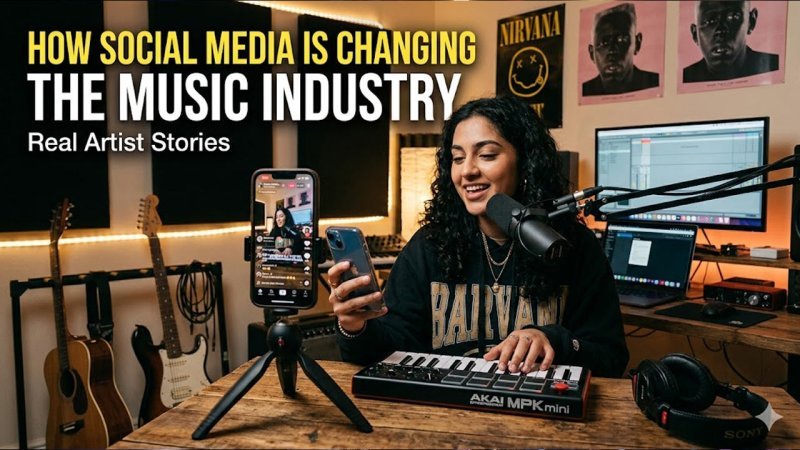
Social media has completely transformed the music industry. Learn how platforms like TikTok, YouTube, and Instagram are shaping viral songs, launching new artists, and changing how music is discovered and consumed worldwide.
How Social Media is Changing the Music Industry: The New Era of Artists, Songs, and Global Fame
The music industry has always evolved with technology, but no change has been as powerful and fast as the rise of social media. Platforms like TikTok, YouTube, Instagram, Facebook, and X (Twitter) have completely reshaped how music is created, promoted, discovered, and consumed. Today, a song does not need a big record label or expensive marketing campaign to become popular. Instead, it only takes a few seconds of virality on social media to turn an unknown track into a global hit.
One of the biggest impacts of social media on the music industry is the rise of viral songs. In the past, songs became popular through radio, TV, or official promotions by music labels. Now, a short video clip on TikTok or Instagram Reels can make a song explode in popularity overnight. Users create dance challenges, memes, reaction videos, and background music clips, all of which help spread the song across millions of devices worldwide. This viral effect has changed how success is measured in the music industry.
Social media has also become a powerful discovery tool for music lovers. Instead of waiting for radio stations or TV channels to introduce new songs, users now discover music directly through their feeds. Algorithms analyze user behavior and recommend songs based on preferences, mood, and engagement. This makes music discovery faster, more personalized, and more interactive than ever before.
Another major transformation is the rise of independent artists. In the traditional music industry, artists needed record labels, managers, and big budgets to reach audiences. Today, platforms like YouTube, TikTok, and Instagram allow musicians to upload their songs directly and reach millions of listeners without any middleman. Many successful artists today started by posting short clips or independent releases on social media and later became global stars.
Social media has also changed music marketing completely. Instead of traditional advertisements, artists now promote their music through engaging content such as behind-the-scenes videos, live sessions, storytelling posts, and fan interactions. This direct communication builds a stronger connection between artists and fans. Listeners feel more involved in the artist’s journey, which increases loyalty and engagement.
YouTube, in particular, has played a massive role in reshaping the music industry. It acts as both a streaming platform and a social media network. Artists release official music videos, lyric videos, and live performances while fans comment, share, and engage with the content. YouTube has become one of the biggest sources of music revenue and global exposure for artists.
Instagram has also become an important platform for music branding. Artists use Instagram stories, reels, and posts to share updates, teasers, and personal moments. This helps build a personal brand beyond just music. Fans feel more connected when they see the real-life side of their favorite artists.
TikTok has arguably had the most powerful impact on modern music trends. A 15–30 second clip can turn an unknown song into a worldwide trend. Dance challenges, trending sounds, and remix culture have created a new way for songs to go viral. In many cases, songs gain popularity on TikTok first and then climb music charts on Spotify, Apple Music, and radio stations.
Another important change is the way revenue and success are measured. Earlier, album sales were the primary indicator of success. Now, streaming numbers, social media engagement, shares, and viral reach are equally important. A song’s success depends not only on how it sounds but also on how it performs online.
Social media has also given fans a stronger voice. Listeners can directly interact with artists, request songs, share opinions, and even influence music trends. This two-way communication has made the music industry more interactive and community-driven.
However, this fast-paced digital environment also brings challenges. The pressure to create viral content can sometimes overshadow artistic creativity. Many artists feel the need to constantly stay active on social media, which can be stressful. Additionally, trends change very quickly, making it difficult for some songs to maintain long-term popularity.
Despite these challenges, social media has undeniably opened new opportunities for the music industry. It has broken geographical barriers, reduced entry limitations, and allowed talent from anywhere in the world to be discovered. A singer from a small town can now reach global audiences with just a smartphone and internet connection.
Platforms like Gandas Music also play an important role in this ecosystem by organizing music content such as song lyrics, artist information, and music discovery tools. As social media continues to evolve, music platforms will become even more important in helping users find and understand music more deeply.
Conclusion
Social media has completely transformed the music industry into a fast, interactive, and global ecosystem. From viral TikTok hits to independent artist success stories, the power of platforms like Instagram, YouTube, and TikTok continues to shape the future of music. While traditional methods still exist, the digital world now dominates how music is created, shared, and enjoyed. The future of music will be even more connected, more global, and more driven by social interaction than ever before.
Tags:
Related Posts
Live Music Radio Stations Around the World: Discover Music Without Borders
Explore the exciting world of live music radio stations from every corner of the globe. Learn how online radio helps music lovers discover new artists, cultures, and genres while enjoying live broadcasts anytime, anywhere.
Best Chill Music Radio Stations Online: Relax, Unwind, and Discover Great Music Anywhere
Looking for the best chill music radio stations online? Discover why relaxing internet radio has become a favorite choice for studying, working, traveling, and unwinding. Learn how to find the perfect station for every mood.
How DJs Select Songs on Radio: The Complete Guide to Music Programming and Audience Engagement
Ever wondered how radio DJs choose the songs you hear every day? Discover the strategy, technology, audience research, and music programming behind radio playlists in this complete guide.