
How AI is Changing the Music Industry: The Future of Music Creation, Distribution, and Listening
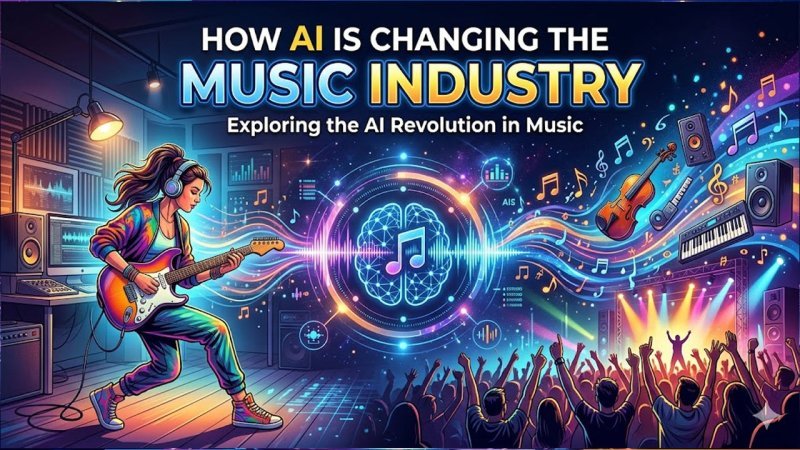
Artificial Intelligence is transforming the music industry by changing how songs are created, produced, distributed, and discovered. Explore how AI is reshaping the future of music for artists and listeners worldwide.
How AI is Changing the Music Industry
The music industry is going through one of the biggest transformations in its history, and at the center of this change is Artificial Intelligence (AI). What once required expensive studios, professional equipment, and large production teams can now be done with the help of smart AI tools. From composing music to writing lyrics, mastering tracks, recommending songs, and even discovering new artists, AI is reshaping every part of the music ecosystem.
Today, music is no longer created only by human effort. Instead, AI has become a powerful assistant that supports artists, producers, and even beginners who are just entering the music world. This shift is making music production faster, more affordable, and more creative than ever before.
AI in Music Creation
One of the most exciting changes AI has brought to the music industry is in music creation. AI-powered tools can now generate melodies, beats, and even full songs within seconds. Artists can input a mood, genre, or style, and AI will produce musical ideas instantly.
This does not mean AI is replacing musicians. Instead, it is acting like a creative partner. Musicians can use AI-generated ideas as a base and then refine them with their own creativity. This combination of human emotion and machine intelligence is creating entirely new sounds and musical styles.
Independent artists especially benefit from this technology. Earlier, producing a professional track required studio time and expensive equipment. Now, AI tools allow artists to create high-quality music from their laptops or even mobile devices.
AI in Lyrics and Songwriting
AI is also helping in writing song lyrics. Some tools can generate lyrics based on themes like love, heartbreak, motivation, or storytelling. While human emotion is still very important in songwriting, AI can help overcome writer’s block and provide inspiration.
Many artists use AI as a brainstorming tool. It suggests lines, rhymes, and ideas that can be refined into meaningful songs. This speeds up the creative process and helps artists experiment with new styles of writing.
AI in Music Production and Mixing
Music production is another area where AI is making a huge impact. Mixing and mastering a track used to require expert sound engineers. Today, AI tools can automatically balance vocals, adjust instruments, reduce noise, and improve overall sound quality.
This makes professional-level production accessible to everyone. Even beginners can create studio-quality music without deep technical knowledge. AI-powered software analyzes audio and applies improvements in real time, saving hours of manual editing work.
AI in Music Recommendations
One of the most common ways people experience AI in music is through streaming platforms like Spotify, Apple Music, and YouTube Music. These platforms use AI algorithms to study user behavior and recommend songs based on listening history, preferences, and mood.
For example, if a listener enjoys pop music, AI will suggest similar songs, artists, and playlists. This has completely changed how people discover music. Instead of searching manually, users now receive personalized recommendations instantly.
AI has made music discovery faster and more accurate, helping listeners find new songs they might never have discovered on their own.
AI in Music Discovery and Online Radio
AI is also improving online radio and music discovery platforms. It can curate playlists automatically, mix genres, and create personalized radio stations for users.
Platforms like Gandas Music can benefit from AI by suggesting song lyrics, radio stations, and artists based on user interests. This creates a more engaging and personalized experience for music lovers.
AI and Independent Artists
One of the biggest advantages of AI in the music industry is the support it gives to independent artists. Today, artists do not need major record labels to succeed. With AI tools, they can:
- Create music
- Design album covers
- Promote songs on social media
- Analyze audience data
- Improve sound quality
This has democratized the music industry, giving more power to individual creators.
Challenges of AI in Music
While AI brings many benefits, it also raises some concerns. Some people worry that AI-generated music may reduce originality or replace human creativity. Others are concerned about copyright issues when AI creates music based on existing styles.
However, most experts believe that AI will not replace human musicians. Instead, it will enhance creativity and open new possibilities. Human emotion, storytelling, and personal experience will always remain at the heart of music.
The Future of AI in Music
The future of music will likely involve a strong collaboration between humans and AI. Artists will use AI to experiment with new sounds, while listeners will enjoy more personalized and interactive music experiences.
We may also see AI-generated concerts, virtual singers, and fully automated music production systems. However, the emotional connection between artists and fans will continue to be the most important part of music.
Conclusion
Artificial Intelligence is changing the music industry in powerful and exciting ways. From creation and production to distribution and discovery, AI is transforming every aspect of how music is made and enjoyed.
For platforms like Gandas Music, this evolution presents a huge opportunity to deliver better experiences through lyrics, radio stations, and music discovery tools. As AI continues to grow, the future of music will become more creative, more accessible, and more global than ever before.
Tags:
Related Posts
Live Music Radio Stations Around the World: Discover Music Without Borders
Explore the exciting world of live music radio stations from every corner of the globe. Learn how online radio helps music lovers discover new artists, cultures, and genres while enjoying live broadcasts anytime, anywhere.
Best Chill Music Radio Stations Online: Relax, Unwind, and Discover Great Music Anywhere
Looking for the best chill music radio stations online? Discover why relaxing internet radio has become a favorite choice for studying, working, traveling, and unwinding. Learn how to find the perfect station for every mood.
How DJs Select Songs on Radio: The Complete Guide to Music Programming and Audience Engagement
Ever wondered how radio DJs choose the songs you hear every day? Discover the strategy, technology, audience research, and music programming behind radio playlists in this complete guide.