
Global Music Trends in 2026: How Technology, AI, and Worldwide Audiences Are Shaping the Future of Music
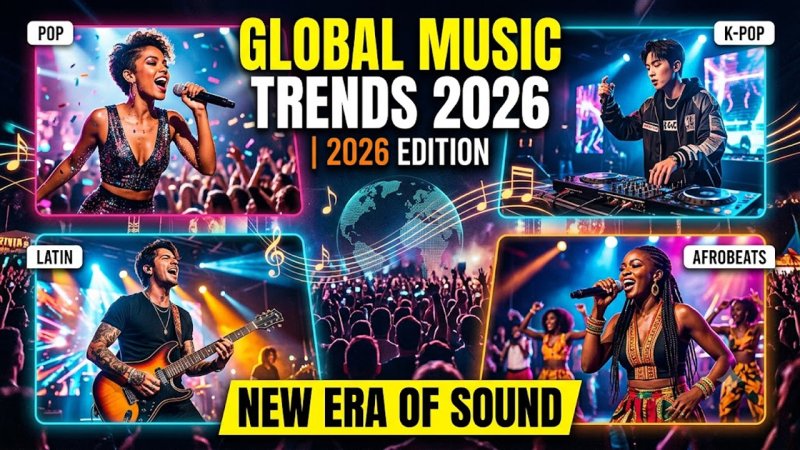
Discover the biggest global music trends of 2026, including AI-powered music creation, streaming growth, viral social media hits, online radio, independent artists, and the future of worldwide music discovery.
Global Music Trends in 2026: How Technology, AI, and Worldwide Audiences Are Shaping the Future of Music
The global music industry is evolving faster than ever before. In 2026, technology, artificial intelligence, streaming services, social media platforms, and worldwide connectivity are changing the way music is created, distributed, discovered, and enjoyed. Artists can now reach international audiences within hours, while listeners have access to millions of songs from every corner of the world.
As music becomes increasingly global, several important trends are shaping the future of the industry. Understanding these trends helps artists, music fans, content creators, and music platforms stay ahead in a rapidly changing digital landscape.
1. Artificial Intelligence Is Becoming a Creative Tool
Artificial intelligence continues to influence music production in 2026. AI-powered software can help artists generate melodies, improve sound quality, suggest lyrics, and speed up production workflows.
Rather than replacing musicians, AI is becoming a valuable creative assistant. Independent artists can now produce professional-quality music with fewer resources, making music creation more accessible than ever before.
As AI tools continue to improve, they are helping artists experiment with new sounds and creative ideas while maintaining their unique artistic vision.
2. Streaming Remains the Dominant Way to Listen
Music streaming continues to dominate the global music market. Millions of listeners use streaming platforms daily to access their favorite songs, albums, and playlists.
Personalized recommendations have become increasingly accurate, helping users discover music based on their listening habits, moods, and preferences. Advanced recommendation systems are introducing listeners to artists they may never have discovered otherwise.
Streaming platforms are no longer just music libraries; they have become powerful discovery engines that influence music trends worldwide.
3. Independent Artists Are Growing Faster Than Ever
One of the biggest music trends in 2026 is the rise of independent musicians. Artists no longer need major record labels to reach large audiences.
Digital distribution platforms, social media marketing, and direct fan engagement allow musicians to build successful careers independently. Many artists now release music directly to their audiences while maintaining greater creative control over their work.
This trend is creating a more diverse music industry where unique voices and independent talent can thrive.
4. Global Music Is Breaking Language Barriers
Language barriers are becoming less important in the modern music industry. Listeners are increasingly enjoying songs from countries and cultures different from their own.
International genres continue gaining popularity across global audiences. Music fans are discovering artists from various regions, proving that emotion, rhythm, and creativity can connect people regardless of language.
This globalization of music is creating exciting opportunities for cross-cultural collaborations and worldwide fan communities.
5. Social Media Continues to Drive Music Discovery
Social media platforms remain one of the most powerful tools for music promotion and discovery. Viral videos, short-form content, and user-generated trends can turn unknown songs into worldwide hits almost overnight.
Artists increasingly use social platforms to connect directly with fans, share behind-the-scenes content, and promote new releases.
The connection between social media and music discovery has become one of the most influential forces in the modern entertainment industry.
6. Online Radio Is Experiencing a Digital Revival
Despite the popularity of streaming services, online radio continues to grow. Many listeners enjoy curated programming, live DJs, interviews, and music selections chosen by experienced presenters.
Internet radio stations provide an alternative to algorithm-driven playlists and help listeners discover fresh artists and unique music styles.
Platforms like Gandas Music are helping users explore radio stations from around the world, making global music discovery easier than ever.
7. Music Communities Are Becoming More Important
Fans are no longer passive listeners. Modern music communities actively participate in discussions, recommendations, live streams, fan events, and artist support campaigns.
Online communities help music spread faster while creating stronger relationships between artists and audiences.
These communities play an important role in promoting new releases, supporting independent musicians, and building loyal fan bases.
8. Song Lyrics Continue to Gain Value
As music becomes more international, lyrics remain an essential part of the listening experience. Fans frequently search for lyrics to better understand songs, sing along, and connect with artists on a deeper level.
Lyrics websites and music platforms are becoming important resources for music discovery and engagement. They help listeners understand the stories and emotions behind the songs they love.
9. Virtual Experiences Are Expanding
Technology is creating new ways for fans to experience music. Virtual concerts, interactive events, live streams, and immersive digital experiences continue to grow in popularity.
These innovations allow artists to reach global audiences while providing fans with unique experiences regardless of their location.
As technology advances further, virtual music experiences may become an even larger part of the entertainment industry.
10. The Future of Music Is Global
Perhaps the most important trend of 2026 is globalization. Music is no longer limited by geography. A song released in one country can become a worldwide phenomenon within days.
Artists collaborate across continents, fans connect through digital communities, and platforms like Gandas Music help listeners discover lyrics, artists, and radio stations from around the world.
The future of music belongs to a connected global audience that values creativity, diversity, and innovation.
Conclusion
The global music industry in 2026 is more connected, technological, and accessible than ever before. Artificial intelligence, streaming services, online radio, social media, independent artists, and worldwide audiences are transforming the way music is created and enjoyed.
For music fans, this means more choices, more discovery opportunities, and access to incredible artists from every part of the world. For musicians, it means new tools, larger audiences, and greater creative freedom.
As these trends continue to evolve, one thing remains certain: music will continue to unite people across cultures, languages, and borders. The future of music is global, and the journey has only just begun.
Tags:
Related Posts
Welcome to Gandas Music – Original Hindi, Haryanvi & English Music Platform
Gandas Music is a modern music platform where you can explore original Hindi, Haryanvi and English songs, lyrics, artist stories, music blogs and creative desi vibes from talented artists.
Live Music Radio Stations Around the World: Discover Music Without Borders
Explore the exciting world of live music radio stations from every corner of the globe. Learn how online radio helps music lovers discover new artists, cultures, and genres while enjoying live broadcasts anytime, anywhere.
Best Chill Music Radio Stations Online: Relax, Unwind, and Discover Great Music Anywhere
Looking for the best chill music radio stations online? Discover why relaxing internet radio has become a favorite choice for studying, working, traveling, and unwinding. Learn how to find the perfect station for every mood.