
Future of Music Artists in the Digital Era: How Technology is Changing the Way Musicians Create, Share, and Succeed
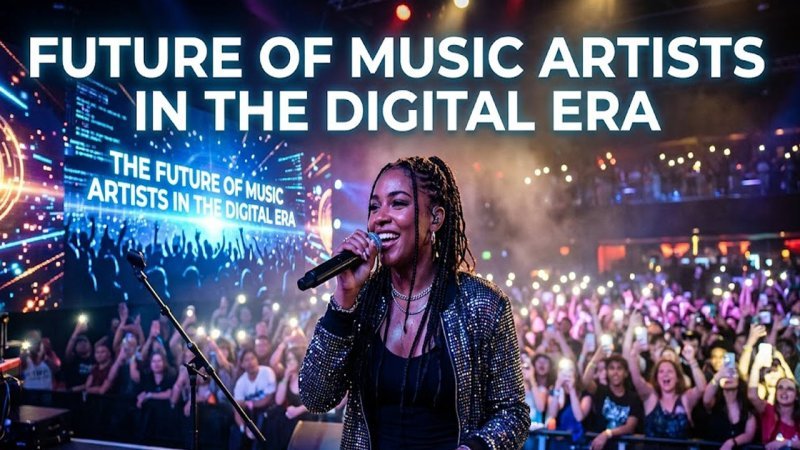
The digital era has completely transformed how music artists build careers. From streaming platforms to social media and AI tools, discover how modern musicians are creating, promoting, and succeeding in the global music industry.
Future of Music Artists in the Digital Era: A Complete Transformation of the Music World
The music industry has changed more in the last two decades than it did in the previous hundred years. The digital era has completely reshaped how music artists are discovered, how they create music, how they connect with fans, and how they earn money. Today, an artist no longer needs a major record label to become successful. With the power of the internet, streaming platforms, and social media, musicians can reach a global audience directly from their home studio.
In the past, becoming a successful music artist required expensive recording studios, physical distribution, radio promotion, and strong connections within the music industry. Only a few selected artists got the opportunity to reach a large audience. But in the digital era, everything has changed. Now, talent, creativity, and consistency matter more than traditional industry barriers.
One of the biggest revolutions in the music world is the rise of streaming platforms such as Spotify, Apple Music, and YouTube Music. These platforms allow artists to publish their songs instantly and reach millions of listeners worldwide. Instead of selling physical albums, artists now earn revenue through streams, playlist placements, and digital engagement. This has opened the door for independent musicians to build careers without depending on record labels.
Social media has also become a powerful tool for music artists. Platforms like Instagram, TikTok, YouTube, and X (Twitter) help artists connect directly with fans. A single viral video can turn an unknown singer into a global sensation overnight. Many modern hits today started as short clips on TikTok before becoming full songs that topped global charts. This shows how audience engagement and virality now play a major role in success.
Another important change in the digital era is the use of artificial intelligence in music creation. AI tools can now help artists compose melodies, generate beats, improve sound quality, and even assist in writing lyrics. While AI does not replace human creativity, it acts as a powerful assistant that helps artists experiment with new styles and produce music faster than ever before. This technology is especially useful for independent artists who may not have access to expensive production teams.
The rise of home studios is another major shift in the music industry. Today, a laptop, basic audio software, and a microphone are enough to produce professional-quality music. This has made music production more accessible to people from all backgrounds. Artists no longer need to rely on traditional recording studios, which were often expensive and difficult to access.
However, with these opportunities come new challenges. The digital music space is highly competitive. Millions of songs are released every year, making it difficult for artists to stand out. Success now depends not only on talent but also on marketing, branding, consistency, and audience engagement. Artists must learn how to promote themselves, build their personal brand, and understand digital algorithms.
Another challenge is income stability. While streaming platforms provide global reach, the revenue per stream is often very low. This means artists must explore multiple income sources such as live performances, brand collaborations, merchandise sales, and fan subscriptions. The most successful modern artists are those who diversify their income streams rather than relying on one source.
Despite these challenges, the digital era has made the music industry more democratic than ever before. Artists from any country, language, or background can now reach global audiences. Music is no longer controlled by a few big companies. Instead, listeners play a direct role in deciding which artists become popular through views, likes, shares, and streams.
Online platforms like Gandas Music also play an important role in this ecosystem by helping users discover song lyrics, explore artists, and listen to global music content. Lyrics especially help fans understand the meaning behind songs, creating a deeper emotional connection between artists and listeners. This strengthens the bond between creators and their audience.
Looking ahead, the future of music artists will become even more digital and global. Virtual concerts, AI-generated collaborations, immersive music experiences, and advanced streaming technologies will continue to evolve. Artists will have more creative freedom and more tools than ever before to express themselves and reach audiences worldwide.
Conclusion
The digital era has completely redefined what it means to be a music artist. Success is no longer limited by geography, money, or industry connections. Instead, creativity, consistency, and digital presence now determine an artist’s future. As technology continues to evolve, the opportunities for music artists will only grow stronger. The future of music is global, digital, and full of possibilities for those ready to adapt and innovate.
Tags:
Related Posts
Live Music Radio Stations Around the World: Discover Music Without Borders
Explore the exciting world of live music radio stations from every corner of the globe. Learn how online radio helps music lovers discover new artists, cultures, and genres while enjoying live broadcasts anytime, anywhere.
Best Chill Music Radio Stations Online: Relax, Unwind, and Discover Great Music Anywhere
Looking for the best chill music radio stations online? Discover why relaxing internet radio has become a favorite choice for studying, working, traveling, and unwinding. Learn how to find the perfect station for every mood.
How DJs Select Songs on Radio: The Complete Guide to Music Programming and Audience Engagement
Ever wondered how radio DJs choose the songs you hear every day? Discover the strategy, technology, audience research, and music programming behind radio playlists in this complete guide.