
Digital Music vs Physical Music: The Future of Music Consumption in the Modern World
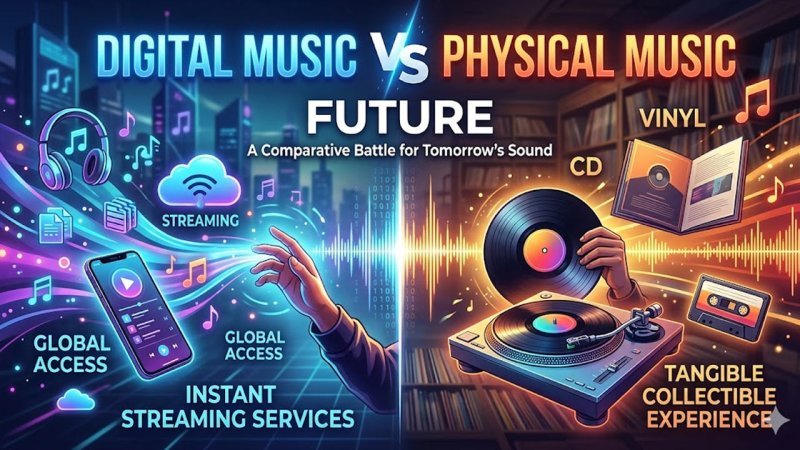
Explore the future of digital music vs physical music and understand how streaming platforms, vinyl revival, CDs, and technology are shaping the way people listen to music worldwide.
Digital Music vs Physical Music: The Future of Music Consumption in the Modern World
Music has always been a powerful part of human life, but the way we listen to music has changed dramatically over time. From vinyl records to cassette tapes, from CDs to digital streaming platforms, every generation has experienced a new evolution in music consumption. Today, we are living in a digital-first world where music is available instantly at our fingertips. However, physical music formats still hold emotional and cultural value for millions of listeners. This raises an important question: what is the future of digital music vs physical music?
The Rise of Digital Music
Digital music has completely transformed the global music industry. With platforms like Spotify, Apple Music, YouTube Music, and Amazon Music, listeners can access millions of songs instantly without needing physical storage. This convenience is one of the biggest reasons digital music has become dominant worldwide.
One of the major advantages of digital music is accessibility. Anyone with a smartphone and internet connection can listen to songs anytime, anywhere. There is no need to buy CDs or carry physical devices. Playlists, recommendations, and algorithm-based suggestions make it even easier for users to discover new artists and genres.
Digital music also allows artists to reach global audiences. A song released in one country can become viral worldwide within hours. Social media platforms and streaming services help independent musicians gain exposure without depending on traditional record labels.
Another important factor is affordability. Many streaming services offer free versions with ads or low-cost subscriptions, making music more accessible to a wider audience compared to purchasing physical albums.
The Emotional Value of Physical Music
Despite the dominance of digital platforms, physical music still has a strong emotional and cultural presence. Vinyl records, CDs, and even cassette tapes continue to attract collectors and music enthusiasts.
Vinyl records, in particular, have made a surprising comeback in recent years. Many listeners believe vinyl offers a warmer, richer sound experience compared to digital formats. For some fans, collecting vinyl records is not just about listening to music but about owning a piece of art.
CDs also remain popular among certain audiences who prefer physical ownership of music. A physical album often includes artwork, booklets, lyrics, and artist information, creating a more personal connection between the listener and the artist.
Physical music formats also hold sentimental value. Many people associate CDs or vinyl records with memories, childhood experiences, or special moments in their lives. This emotional connection cannot be replaced by digital streaming alone.
Digital Music vs Physical Music: Key Differences
While both formats serve the same purpose—delivering music—they differ in several important ways.
Digital music offers convenience, portability, and instant access. It is driven by technology and streaming platforms that constantly evolve. On the other hand, physical music focuses on ownership, emotional value, and collectible experiences.
Digital music is ideal for modern lifestyles where people want quick access to large libraries of songs. Physical music appeals more to collectors, audiophiles, and those who value the artistic and tangible aspects of music.
The Future of Music Consumption
The future of music is likely to be a combination of both digital and physical formats. However, digital music will continue to dominate due to its convenience and global accessibility. Streaming platforms will become even more advanced, offering personalized recommendations, high-quality audio, and interactive features.
Artificial intelligence may also play a major role in shaping the future of music consumption. AI-driven playlists, mood-based music selection, and smart recommendations will make listening experiences more personalized than ever before.
At the same time, physical music will not disappear completely. Instead, it will become more of a premium or collectible experience. Vinyl records, limited edition albums, and special physical releases will continue to attract dedicated fans and collectors.
Role of Platforms Like Gandas Music
Music platforms like Gandas Music are helping bridge the gap between digital access and music discovery. By providing song lyrics, artist information, and global music resources, such platforms enhance the overall listening experience.
In the future, websites like Gandas Music may play an even bigger role by connecting users to both digital streaming content and information about physical releases, helping fans explore music in a more complete way.
Conclusion
The debate between digital music vs physical music is not about which one will win, but about how both will coexist in the future. Digital music represents speed, convenience, and global access, while physical music represents emotion, ownership, and artistic value.
As technology continues to evolve, the music industry will become even more dynamic. Streaming platforms, AI tools, and global connectivity will shape the future of music consumption, but the love for physical formats like vinyl and CDs will remain alive among passionate listeners.
In the end, music is not defined by its format but by the emotions it creates. Whether digital or physical, music will continue to inspire, connect, and bring people together across the world.
Tags:
Related Posts
Live Music Radio Stations Around the World: Discover Music Without Borders
Explore the exciting world of live music radio stations from every corner of the globe. Learn how online radio helps music lovers discover new artists, cultures, and genres while enjoying live broadcasts anytime, anywhere.
Best Chill Music Radio Stations Online: Relax, Unwind, and Discover Great Music Anywhere
Looking for the best chill music radio stations online? Discover why relaxing internet radio has become a favorite choice for studying, working, traveling, and unwinding. Learn how to find the perfect station for every mood.
How DJs Select Songs on Radio: The Complete Guide to Music Programming and Audience Engagement
Ever wondered how radio DJs choose the songs you hear every day? Discover the strategy, technology, audience research, and music programming behind radio playlists in this complete guide.